Projects

Research and engineering work spanning time-series forecasting, knowledge-based AI systems, and embodied robotics.

01
Research2025–2026Ongoing

Short-Term VIPV Power Forecasting using Machine Learning

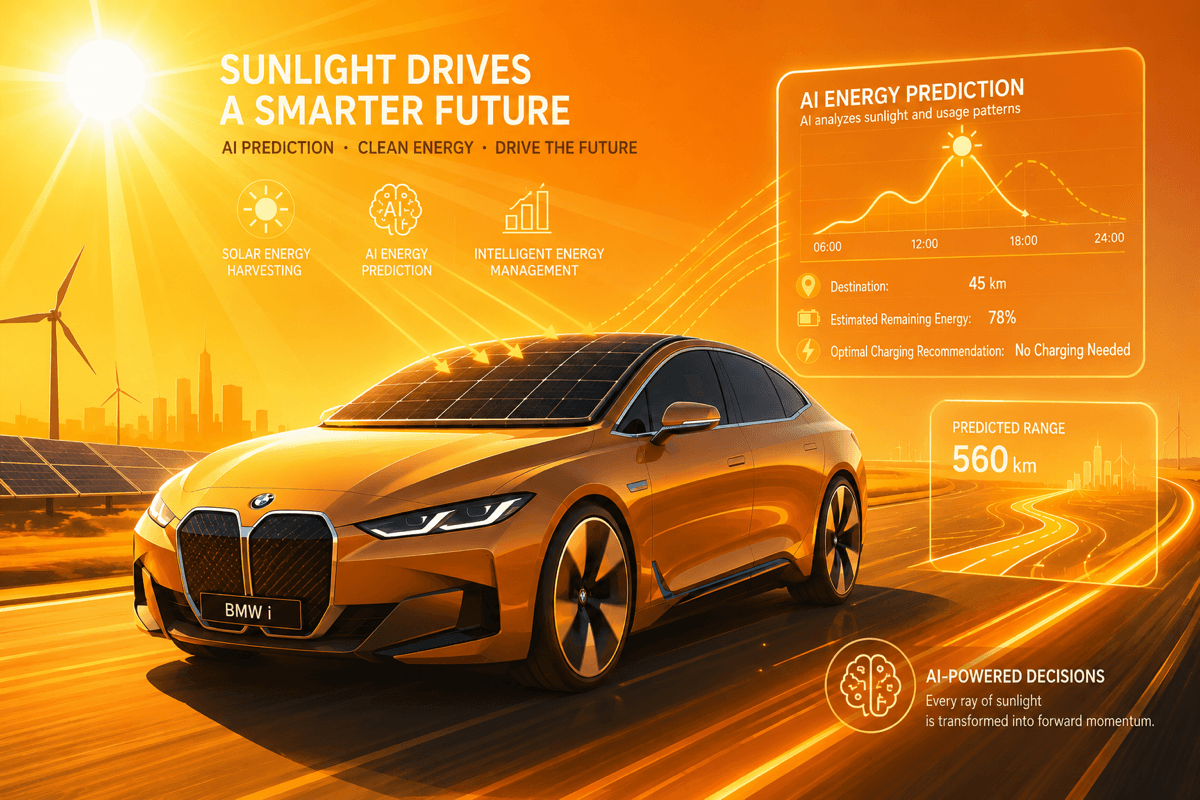
Vehicle-Integrated Photovoltaics (VIPV) present unique forecasting challenges that differ fundamentally from fixed-site solar systems. This research develops a VIPV-specific data pipeline and benchmarks machine learning models — on two years of real-world BMW i3 sensor data collected in Sydney, Australia.

A key contribution is the causal day-shape prototype feature engineering framework, which improves CatBoost's RMSE gain from −0.48% to +15.14% across walk-forward validation. Interpretability analysis using SHAP and TFT's Variable Selection Network reveals that short-term VIPV forecasting is driven more by operational state than by raw irradiance — a finding with direct implications for onboard energy management system design.

TFTTime-SeriesExplainable AIEnergy AIApplied Energy

Supervisors: Prof. Nicholas Ekins-Daukes · A/Prof. Gustavo Batista · UNSW Sydney
02
Research2025–2026OngoingTarget: Knowledge-Based Systems

Pingala: Multi-Translation RAG System for Hindu Philosophy

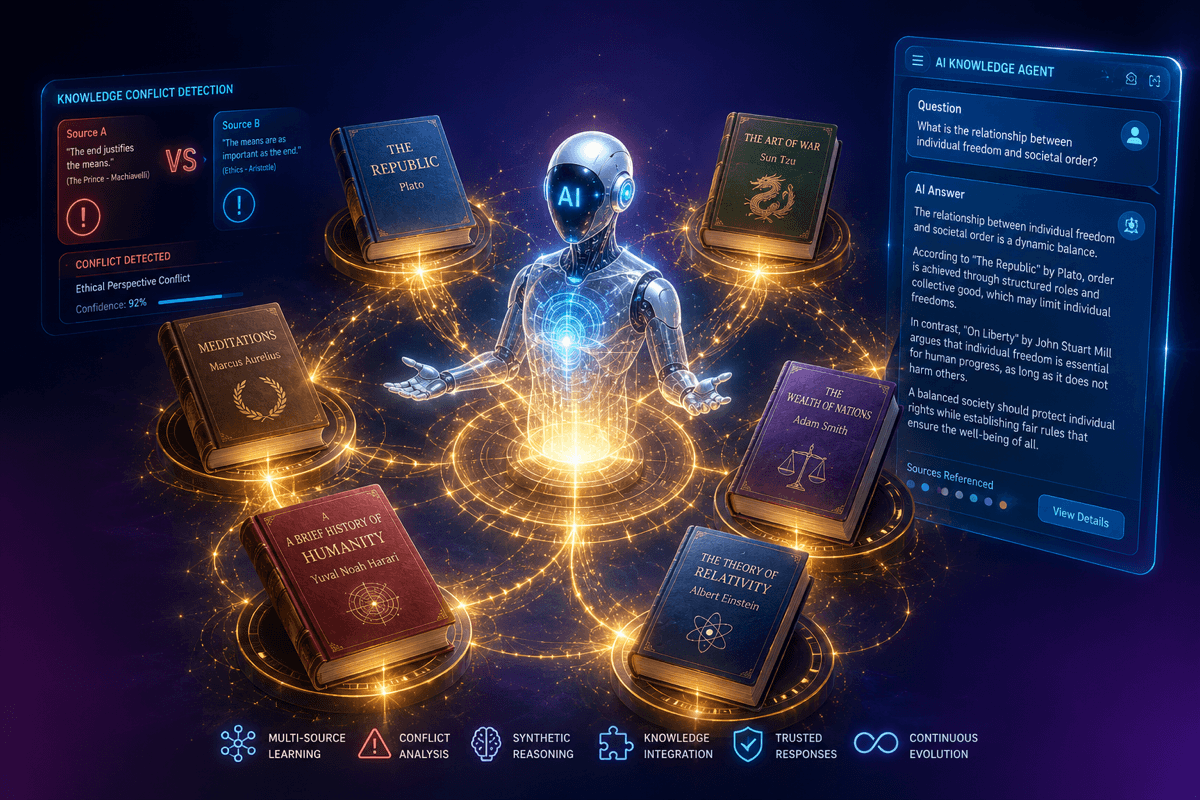
Can AI faithfully represent divergent philosophical interpretations? This project develops a custom RAG system to explore LLM understanding of consciousness-related questions through a translation-conflict-aware evaluation framework.

Evaluated across 11 translations of an ancient philosophical classic, using BERTScore and n-gram analysis to measure how responses shift as new sources are incrementally added. Pipeline integrates query expansion, cross-encoder reranking, and consciousness-specific prompt engineering.

RAGLLM EvaluationDomain-Specific LLMKnowledge ConflictPython

Supervisors: A/Prof. Rohitash Chandra · UNSW Sydney

03
Personal Project2024–PresentOngoing

Multi-Sensor Autonomous Robot: Ball Detection and Kicking Demo

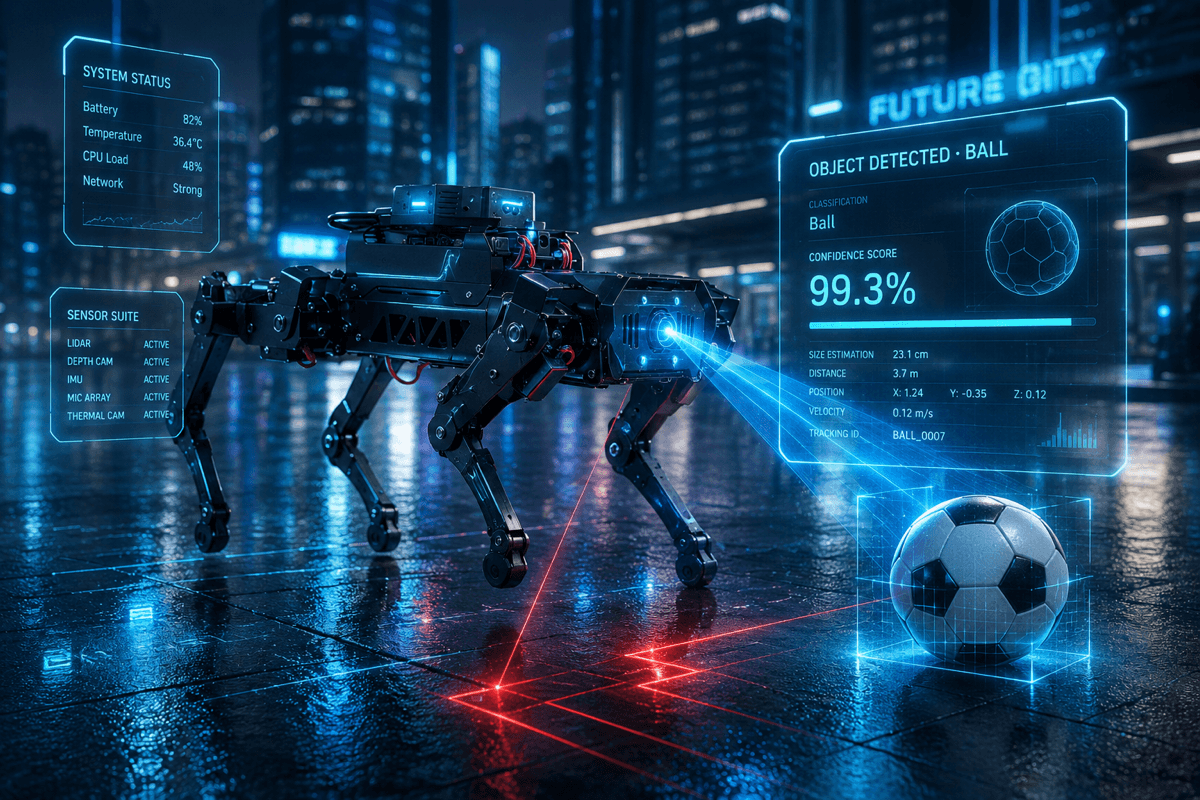
This project implements a multi-sensor autonomous robot integrating LiDAR and depth camera for real-time ball detection and autonomous kicking. The perception pipeline fuses point cloud and RGB-D data to achieve robust object localization across varying lighting conditions.

The project addresses core challenges in embodied AI: sensor noise handling, multi-modal data fusion, and bridging detection confidence with reliable physical action execution. A key research direction combines traditional SLAM-based navigation with a reinforcement learning policy, enabling the robot to improve kicking behavior through environmental interaction rather than hand-crafted rules.

Computer VisionROS2PythonEmbodied AISensor Fusion
Other Work
Kaggle Competition2024Completed

Child Mind Institute — Problematic Internet Use

Kaggle research competition focused on predicting problematic internet use patterns among adolescents using tabular health and behavioral data.

Machine LearningData AnalysisPython